

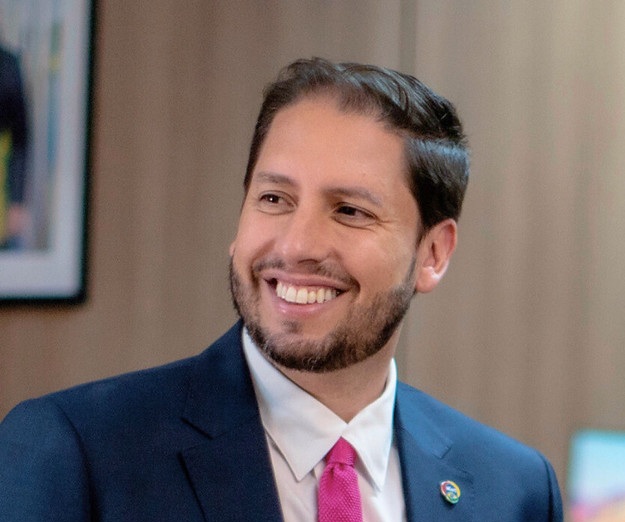
RIO DE JANEIRO, BRAZIL — The 6th session of the Ibero-American Forum of Vice-Ministers of Culture, which brings together senior officials from 17 member countries, will be held for the first time during Rio2C, the mega-creativity forum being held this week in Rio de Janeiro.
Representatives from Bolivia, Brazil, Cape Verde, Chile, Colombia, Costa Rica, Dominican Republic, Ecuador, El Salvador, Guatemala, Honduras, Panama, Paraguay, Peru, Portugal, Spain and Uruguay will discuss public policy for the region’s creative sector.
The Forum of Ibero-American Vice Ministers of Culture, established in 2024, is a regional executive working group facilitated by the Ibero-American Educational, Scientific and Cultural Organization (OEI). Its main objective is to develop a cultural policy aimed at strengthening the creative economy in all its aspects.
“This year, we are organizing the Forum for the first time. This was an initiative of the Brazilian Ministry of Culture, recognizing the relevance of Rio2C and the opportunity to organize a forum meeting during our event,” said Rio2C founder Rafael Lazzarini.
Mr. Lazzarini emphasized that while most of the ministers are political figures, the forum is made up of deputy ministers and secretaries-general. Because they are the ones who actually “roll up their sleeves and get the job done.”
“This will not be a political meeting, but a sector-focused meeting. The goal is to truly optimize integration and content production between countries,” he added.
Márcio Tavares, Brazil’s Secretary-General to the Minister of Culture, will chair the meeting, as the host country currently holds the interim presidency of the forum.
“For the first time, we are bringing forum discussions to the largest creative gathering in Latin America,” Tavares told Variety.
He said OEI and Fundação Itaú, the foundation of one of Brazil’s largest private banks, will sign a cooperation agreement during the meeting. The agreement will focus on building data and indicators that will enable the contribution of creative industries to sustainable development to be measured.
Forum members will discuss updating the Ibero-American Cultural Charter, signed in 2006, at the Rio 2C meeting. Countries are expected to approve the new version in November, Tavares said.
In addition, Tavares will also present during the conference the Portuguese and Spanish language courses offered by the Brazilian Ministry of Culture’s virtual school, Escola Solano Trindade de Cultura e Economia Criativa, to all forum member countries.
“Such a fusion of institutional public policy debates and the vibrancy of the creative market is unprecedented and of paramount importance to us. Here we aim to build bridges between the public and private sectors and further revitalize and strengthen the production chains of the region’s cultural and creative economy,” Tavares said.
