

A small number of streaming subscribers filed a lawsuit Thursday seeking to block the $110 billion merger between Paramount Skydance and Warner Bros.
The plaintiffs, three current Paramount+ subscribers and two prospective subscribers, claim they face increased prices and fewer viewing options as a result of the deal.
Paramount expects to close the mega deal in the third quarter, but it could face opposition from the federal government and possibly a coalition of states. Antitrust claims by private parties are rarely successful, but if a lawsuit does occur, plaintiffs can force financial settlements on behalf of subscribers and moviegoers.
The suit, filed in federal court in San Jose, California, by two Bay Area law firms, seeks not only an injunction to block the deal with Warner Bros., but also to force Skydance to sell Paramount, which it acquired last year.
The company is also seeking treble damages under the Clayton Act, which allows private companies to sue if they are harmed by an anticompetitive merger.
“Skydance’s significant acquisition of Paramount Global and its proposed significant acquisition of Warner Bros. Discovery reflect the same strategy of refusing to compete by developing better products, investing, innovating, and winning customers through merit-based competition, and instead pursuing scale through consolidation that eliminates independent rivals and weakens the competitive constraints that protect consumers,” the complaint states.
The lawsuit also cites the Disney-Fox partnership and the Amazon-MGM merger as evidence that the industry faces a wave of consolidation that must be stopped.
“These acquisitions demonstrate that the industry is moving toward fewer independent competitors through a flurry of mergers, even if the combined company remains smaller than the largest platform, precisely in the context of consolidation that heightens the competitive threat posed by the next merger,” the complaint states.
Plaintiffs Pamela Faust, Len Marrazzo, Lisa McCarthy, Deborah Rubinsohn, and Gary Talefsky also claim damages as news consumers and movie patrons.
The complaint alleges that Skydance curried favors with the Trump administration in order to gain approval for the Paramount deal and agreed to “align the editorial stance of CBS News” with the White House, thereby “diminishing reporting credibility, editorial independence, and investigative vitality.”
Plaintiffs also argue that if the Warner Bros. deal goes through, they won’t have as many options at cineplexes.
“Plaintiffs argue that if Paramount’s proposed acquisition of Warner Bros. Discovery goes through, the combined company would produce fewer theatrical films and narrow its release schedule, leaving moviegoers with fewer theatrical titles, less genre and budget diversity, and fewer meaningful alternatives in local theaters.” “As a result, the value of the theater experience is diminished by making theater visits less likely to offer attractive options and reducing the ability to substitute titles when a particular film is unavailable, sold out, or not shown.”
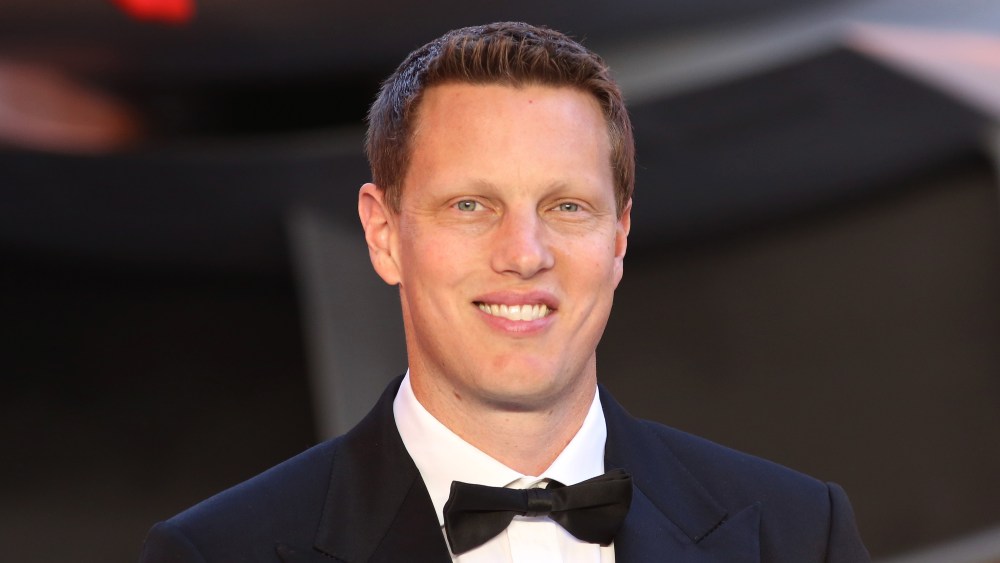
Paramount Skydance CEO David Ellison has promised to increase its theatrical output and release at least 30 films a year once the deal with Warner Bros. is completed.
The company said in a statement Thursday that the lawsuit is “without merit.”
“The combination of Paramount and WBD will create a strong competitor that will serve as a champion of creative talent and consumer choice,” a company spokesperson said.
