

The BBC ended a year that included its most-watched title, The Celebrity Traitors, and its best drama debut in three years, The Night Manager, but its annual report and 2025/26 financial results have warned the company faces a “real crisis” after posting a third consecutive year of operating loss due to erosion in license fees.
“This is a real crisis, not just for the BBC, but for the public service broadcaster and the whole of the UK,” BBC director-general Matt Brittin said in the report.
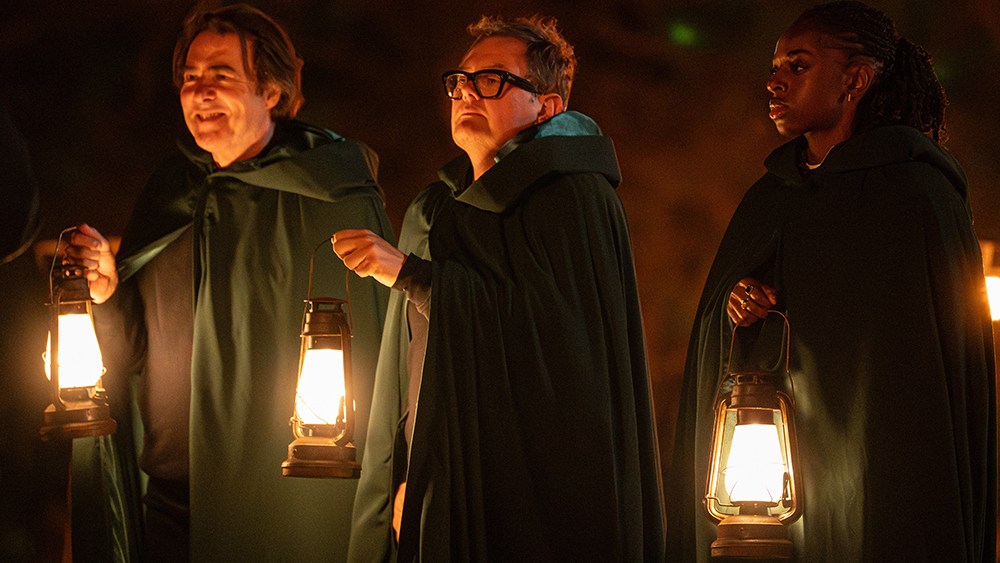
In terms of content, the year delivered some of the BBC’s strongest numbers in recent years. The Celebrity Traitors final attracted an average audience of over 15 million people, making it the biggest title across the UK market in 2025/26. The Season 2 premiere of “The Night Manager” averaged 8.7 million viewers over 28 days, making it the company’s most-watched drama debut in three years. Comedy also had a record year. Eight of the top 10 most-watched scripted comedies in 2025/26 were broadcast on the BBC. Topping the list include “Little Prophets,” which drew 7.7 million viewers in its premiere, and the Christmas special “Amandaland,” which drew 7.4 million viewers. The BBC took home 12 wins at the 2026 BAFTA Television Awards, more than any other broadcaster or streamer. The company said it remains the single largest investor in original content in the UK, contributing £6.7bn ($8.96bn) to the UK economy last year.
Its creative momentum stands in contrast to its deteriorating financial situation. The BBC posted an after-tax deficit of £121 million ($161.88 million), up from £112 million ($149.84 million) the previous year, making it the third consecutive annual loss. The operating-level deficit, which the company says better reflects its underlying performance, narrowed to 84 million pounds ($112.38 million). The company reaches 94% of UK adults on average each month, but fewer than 80% of households pay the £174.50 ($233.46) annual license fee, and BBC chairman Sameer Shah said current funding models would not close that gap. Although the number of licenses held decreased by 539,000 to 23.3 million, license revenue increased by 36 million pounds ($48.16 million) from the previous year to 3.9 billion pounds ($5.22 billion) due to the fee increase.
Commenting on the shortfall in the report, Mr Shah said: “The fact that 94% of adults use the BBC every month but fewer than 80% of households donate shows that the current funding model cannot sustain the BBC’s public service mission.”
Reductions have already begun. Last month, the BBC detailed that across its News, Nation and content divisions, it expected to save around £160 million ($214 million) of the total savings of £500 million ($668.9 million) by 2028/29, in addition to other programs that have already delivered more than £1.5 billion ($2 billion) in savings during the current charter period. BBC Commercials kept its revenue flat at £2.2bn ($2.94bn), returning £377m ($504.38m) to the public services sector and staying on pace with its five-year revenue target of £1.5bn ($2.01bn).
Trust indicators have declined as well, and the report’s decline is related to the editorial controversy that ensued that year. These included two separate documentaries about Gaza, one of which was broadcast on the BBC, and a live broadcast of Glastonbury that featured offensive language. A leaked internal memo by a former editorial adviser also attracted high public attention for the issues it raised, followed by the resignation of the former director-general and head of BBC News. President Trump’s lawsuit against the BBC over the “Panorama” editing of his January 6, 2021 speech also added to the pressure. In response, the BBC appointed Rhodri Talfan-Davies as deputy director-general with specific responsibility for “protecting the trust and shaping editorial strategy”.
Retrenchments continued in parallel, with civil service staff numbers falling by a net 400 full-time equivalents last year alone, some of which have fallen by more than 2,200, or more than 10%, since 2019/20.
Amid negotiations to renew the Royal Charter, the BBC’s own risk disclosure in its report warns that ongoing funding pressures are already constraining the amount of programming it can commission going forward.
