

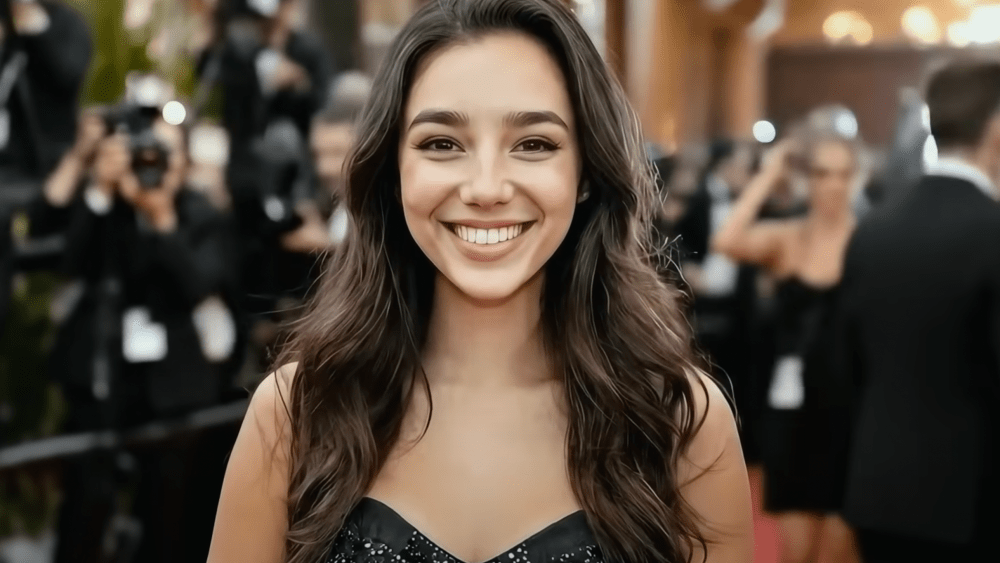
News of Tilly Norwood’s feature film debut once again highlighted the digital rake surrounding her presence, with commenters weighing in on everything from the concept of an AI actress starring in a movie to why entertainment outlets like Variety picked up the news.
Norwood’s creators are taking the backlash in stride, insisting they’re just trying to show the industry what’s possible with the technology.
AI-focused studio Particle 6 announced on Monday that it is producing a comedy-drama called “Misaligned,” which combines a human crew with AI tools. Norwood is scheduled to “star” in this drama.
Elaine van der Velden, founder and CEO of the London-based company, told Variety in an email that the intention behind the feature is to “demonstrate the current state of AI, advance skills, and bring as many talent from the industry into the future as possible.”
“More people are hearing and understanding that message than ever before,” she said, claiming interest from creators has “visibly increased” since the announcement. “And if more people are working on AI and future-proofing its role, then some criticism won’t matter.”
Whether people in the entertainment industry really buy into that message is up for debate. Many organizations representing industry professionals showed little desire to discuss Norwood’s film debut. What is clear, however, is that some in Hollywood see Norwood’s persona as a persistent threat, and continue to question whether the AI ”actor” was trained on the content without permission or compensation.
In a statement to Variety, UK actors’ union Equity said: “When it comes to the use of AI avatars, we have concerns about how digital replicas and avatars are created, whether they are ‘Tilly Norwood’ or others,” adding that it believes “transparency, consent and remuneration are key to addressing the use of AI in the film, TV and audio industries.”
“While data scraping and untraceable training data sources will continue, issues of theft and abuse will continue,” Kathy Sweet, head of film and television at Equity, said in a statement. “Actors, voice actors, and performers of all kinds are at risk of having their work stolen and used without their consent or knowledge. This is bad and it has to stop.”
Because Norwood isn’t human, “he can’t really be a performer,” said Ted Tremper, interim executive director of the AI Creators Coalition, whose co-founders include Daniels, Natasha Lyonne and former Academy president Janet Yang.
“This character is a character created from an assemblage of vast amounts of invisible extracted creativity and the names, images, likenesses, etc. of people who are not credited or compensated for the work that went into its creation,” Tremper said, adding that it raised the question of “whether people know how it is made, and whether the human beings who did the extracted work to create it are respected and compensated.”
Representatives from the Writers Guild of America and the Directors Guild of America, the two unions that represent Hollywood screenwriters and filmmakers, did not respond to Variety’s requests for comment on news about Norwood’s film. While the Motion Picture Editors Guild has so far declined to comment on the possibility of editors working on a film starring Norwood, Hollywood’s actors union SAG-AFTRA pointed to past statements about Norwood’s appearance, one of which called her “a synthetic construct generated by software trained on the work of countless professional performers, real people, whose work was filmed without permission, credit, or compensation.”
According to Van der Velden, Norwood was not created “based on the likeness of any particular person,” but through “unique prompts, thousands of iterations, and substantial human creative oversight” and “openly available tools that draw on everything that has ever been uploaded to the Internet, including my own work as an actress.” She said Norwood would only appear in films created by AI and not films featuring real humans.
“Yes, we agree, Tilly is not human,” van der Velden added. “She is an AI actor and a character created by Particle 6 to highlight, demonstrate and teach people about AI.”
Nearly a year after Mr. Norwood’s public appearance made Van der Velden’s claims that talent agencies were eager to represent AI performers, a partner at a talent agency told Variety that “the complexities of representing a synthetic actor like Tilly are inconceivable, given that they are not human.” Agencies like WME and Gersh have also pushed back against the idea. Mr van der Velden said conversations between Particle 6 and the talent agency had ceased since September and the company did not believe they were necessary at this time.
Tremper said he could imagine a future where the use of AI is not stigmatized and synthetic or cloned attackers emerge with appropriate compensation. But that will require “a great deal of good faith” cooperation between those developing and using the technology, he said.
“When we as a society understand how things are actually made, we can build consensus through things like voting and community organizing,” he said. “I think the most insidious thing that’s happening is that the people who are creating these (AI) tools, services, and characters want their viewers to believe that they don’t have a choice, that they don’t have self-determination, and that all of this is inevitable and that it’s abnormal. That’s just plain wrong.”
As the industry continues to move toward generative AI, there’s a tug of war over Norwood’s existence. Reactions within the industry have ranged from ostracism to lukewarm curiosity to even a huge reception, even as studios seek to tighten regulations that protect human likeness and work.
Illumination CEO Chris Meledandri told Variety at the Minions & Monsters premiere, just before word broke about Norwood’s feature film debut, that his team “completely believes in human imagination” and is “not feeling any pressure to push AI into the pipeline.”
“I wish I had a crystal ball,” Meledandri added. “I wish I could understand what’s going to happen, but I’m worried about the future of jobs in all industries.”
Mark Malkin contributed to this report.
