

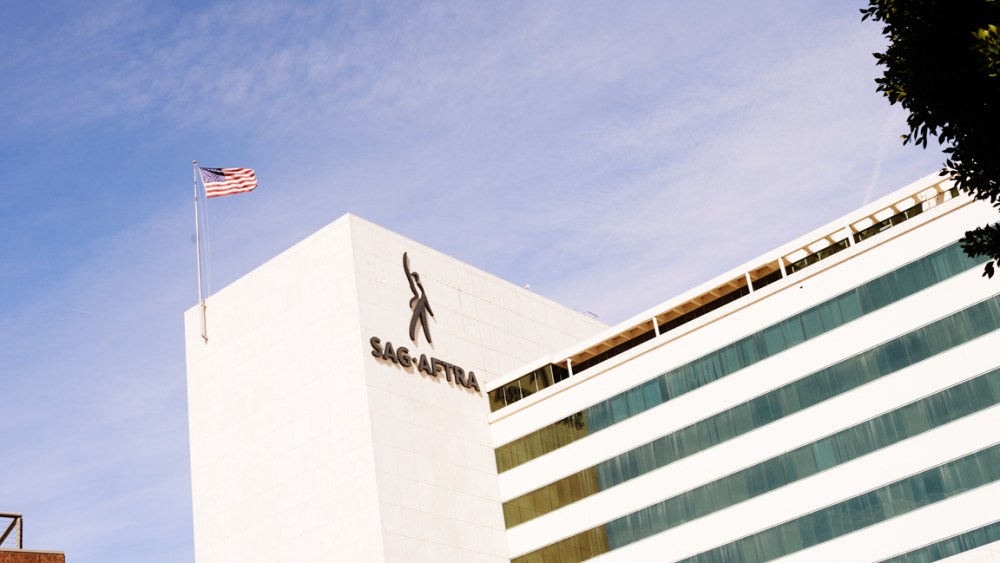
SAG-AFTRA has ended a month of negotiations with major studios without reaching a new deal, and plans to resume negotiations in June.
The outcome was not unexpected, but those involved in the negotiations had hopes that a new deal could be signed in March.
“SAG-AFTRA and AMPTP completed a productive negotiation session, which took several days longer than originally planned,” the two sides said in a statement. “While we continue our ongoing dialogue, formal negotiations will resume as planned later this spring before the current agreement expires on June 30th. We thank both negotiating committees for their shared commitment to reaching a fair agreement and their thoughtful efforts, including this weekend. We continue to respect press controls and will provide updates in the coming months.”
The union began negotiations on February 9th and was originally scheduled to conclude on March 6th. There were also some encouraging signs, with both parties agreeing to extend the original schedule by an additional week in hopes of reaching an agreement.
Writers Guild of America negotiations were scheduled to begin on Monday, which served as a hard deadline for SAG-AFTRA negotiations. First, the WGA contract expires on May 1st. AMPTP will then meet with the Directors Guild of America on May 11th. Both the DGA contract and the SAG-AFTRA contract expire on June 30th.
The union’s executive director, Duncan Crabtree-Ireland, is leading union negotiations, and the studio is represented by Greg Hessinger, the new CEO of the Alliance of Motion Picture and Television Producers.
The two countries have grappled with a variety of topics, but the most troubling topic may be artificial intelligence, as was the case during the 2023 strikes. SAG-AFTRA is seeking some control over the use of “synthetic performers,” or digital avatars that bear no resemblance to real-life actors.
In 2023, the coalition succeeded in establishing robust protections against the use of AI replicas. The key phrase during negotiations was “consent and compensation” for the use of the actor’s likeness. This negotiation has become somewhat easier because both actors and studios have some advantage in using AI voice and performance. Therefore, both parties had an incentive to reach an agreement.
Synthetic performers like “Tilly Norwood” present a more difficult case. That’s because real actors get little or no benefit from their use, and studios have little power to stop their performances from being used to train AI systems.
In 2023, SAG-AFTRA attempted to obtain a veto over the use of synthetic performers, but was denied. One idea that has emerged this year is the “Tilly tax.” This would require studios to pay into union funds for the use of synthetic performers.
Other issues on the agenda include health and pension funds, periods of exclusivity, and increased residuals on streaming platforms.
