

The decision comes less than a year after the Trump administration and Congress voted to defund the Corporation for Public Broadcasting, an organization that funded local public television and radio stations. CPB announced Monday that its board of directors has resolved to keep the organization in existence and avoid “potential exposure to future political manipulation and abuse” and to close the organization after 58 years.
CPB was established by Congress in the Public Broadcasting Act of 1967 to support the federal government’s investments in public broadcasting. The organization noted that the revocation of all federal funding for CPB comes after years of political attacks.
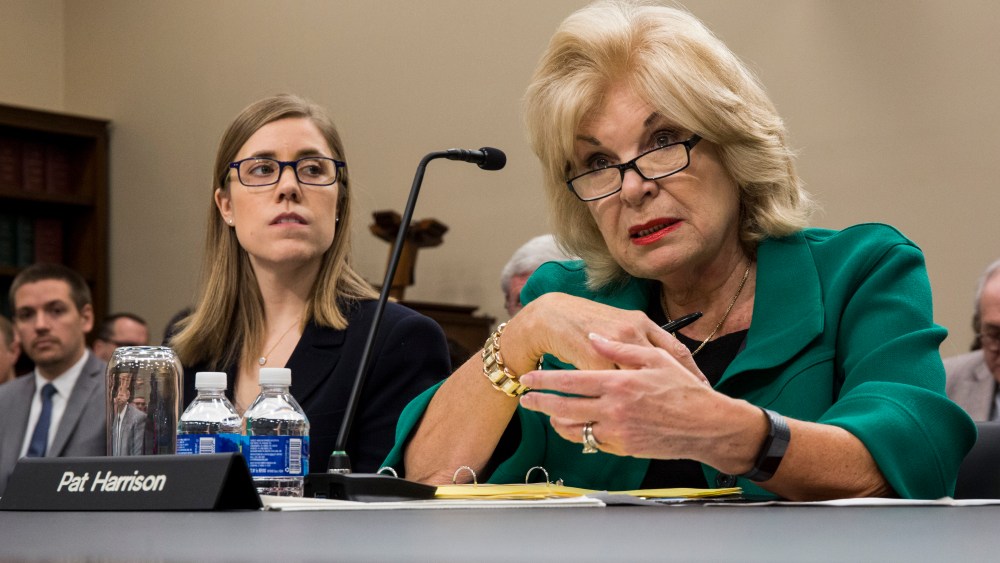
“For more than half a century, CPB has existed to ensure that all Americans, regardless of geography, income or background, have access to trusted news, educational programming and local stories,” said Patricia Harrison, CPB Chairman and CEO. “With the administration and Congress rescinding federal funding, our board faced a significant responsibility. CPB’s ultimate action was to protect the integrity of our public media system and our democratic values by disbanding rather than leaving the organization defunded and vulnerable to additional attacks.”
CPB Board Chair Ruby Calvert called the move and what happened to public media “devastating.”
“After nearly 60 years of innovative and educational public television and radio service, Congress has eliminated all funding for CPB, leaving the board with no way to continue the organization or support the public media system that depends on CPB,” Calvert said. “But even in this moment, I am confident that public media will survive and that the new Congress will address the role of public media in our country, because doing so is critical to the education of our children, our history, our culture, and our democracy.”
The news comes as no surprise after the Republican Congress in July approved a repeal of President Trump’s policy, eliminating $1.1 billion in critical funding for public broadcasting over the next two years. Without that money, the Corporation for Public Broadcasting would close. And the fate of hundreds of television and radio stations remains up in the air.
This funding was used to support both public radio and public television stations, with more than 70% of CPB spending going directly to local stations. The fund also supported independent filmmakers. Without funds, PBS has scrambled to support and protect some of its most vulnerable member stations. Some broadcasters have announced plans to close. A PBS station in Arkansas has broken ties with the service and become independent to save money.
“CPB’s support extends to every corner of the country: urban, rural, tribal, and everywhere in between,” the group said. In many communities, public media stations are the only source of trusted news, educational children’s programming, and local and national cultural content for free. ”
CPB said that without funding, the board would “not be in the public interest to maintain the corporation as a non-functional organization, nor would it further the objectives of public media. A dormant and defunded CPB could be vulnerable to future political manipulation and abuse, threaten the independence of public media and the trust that viewers have in public media, and expose its staff and board members to legal prosecution from malicious actors.”
Upon closing, CPB is distributing remaining funds and supporting the Archives of American Public Broadcasting in the digitization and preservation of historical content. CPB’s own archives will be housed at the University of Maryland and will be accessible to the public.
In September, the Television Academy awarded CPB the Governor’s Award and presented the award to Mr. Harrison, who has led the organization since 2005, at the Creative Arts Awards Ceremony.
“Public media remains essential to a healthy democracy,” Harrison added. “Our hope is that future leaders and generations will recognize its value, protect its independence, and continue our efforts to make trusted, educational, and community-centered media accessible to all Americans.”
