

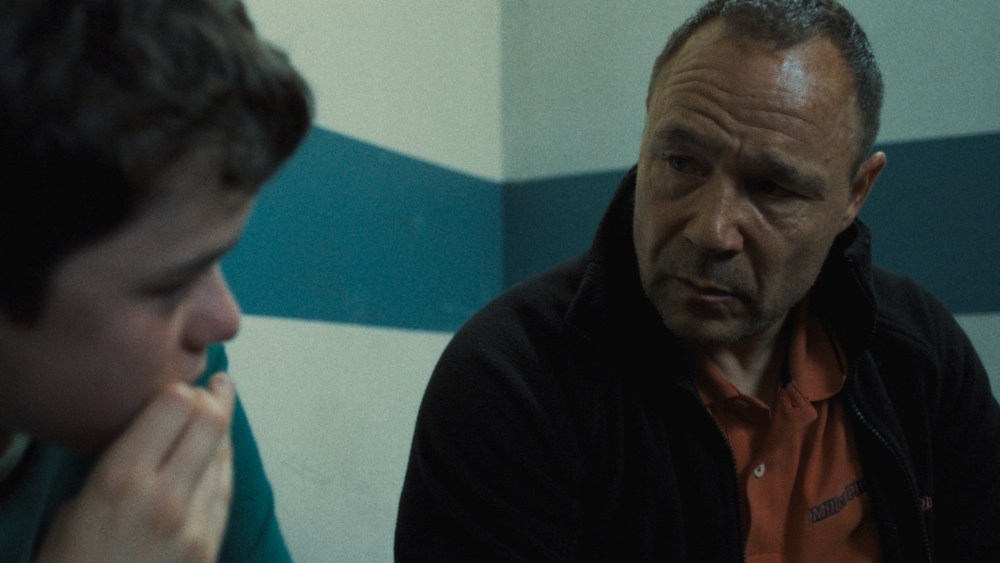
Netflix’s one-off series “Adolescence” didn’t just have record-breaking viewership. Shortly after appearing on the streamer, it sparked widespread debate in the UK and abroad about knife crime, incel culture and the impact of social media on young boys, and the issue was later debated in the UK Parliament.
The phenomenal success of Adolescence also quickly led to claims that the story (about a boy accused of murdering a female classmate) was based on a true crime in Britain and that the antagonist had been changed from a black child to a white child. These claims spread on social media, with Elon Musk using his platform X to label the show as “anti-white propaganda.” Meanwhile, at home, Conservative Party leader Kemi Badenoch gave credence to the theory, insisting in an interview that she opposes the government basing its policies on anything that “fundamentally changes” the real-life story.
For screenwriter Jack Thorne, who at the time labeled the claims “ridiculous” and said they weren’t based on any specific crime, the conspiracy theories about the show were not only wildly inaccurate, but also emphasized exactly what the show was trying to say about the dangers of online algorithms.
“That was the interesting thing about our show: how quickly it turned into this bouncing ball where a lot of people had different opinions about it and a lot of people said a lot of things as if they were facts,” he said during a Content London panel. “And one of the facts that quickly spread was that what they did was they turned a crime committed by a black boy into a crime committed by a white boy, because they were woke and destructive and they hated white people.”
Regarding Badenoch’s own endorsement of these claims, Thorne said that her clear recognition of the race-swap theory as fact “speaks to her algorithm and in many ways speaks to the content of the show as a whole.”
Furthermore, he added: “In such a post-fact time that we live in, where what we are given and what we believe are the same thing, it was really interesting to be part of that whole issue and be able to talk about all the themes that we were trying to talk about.”
