

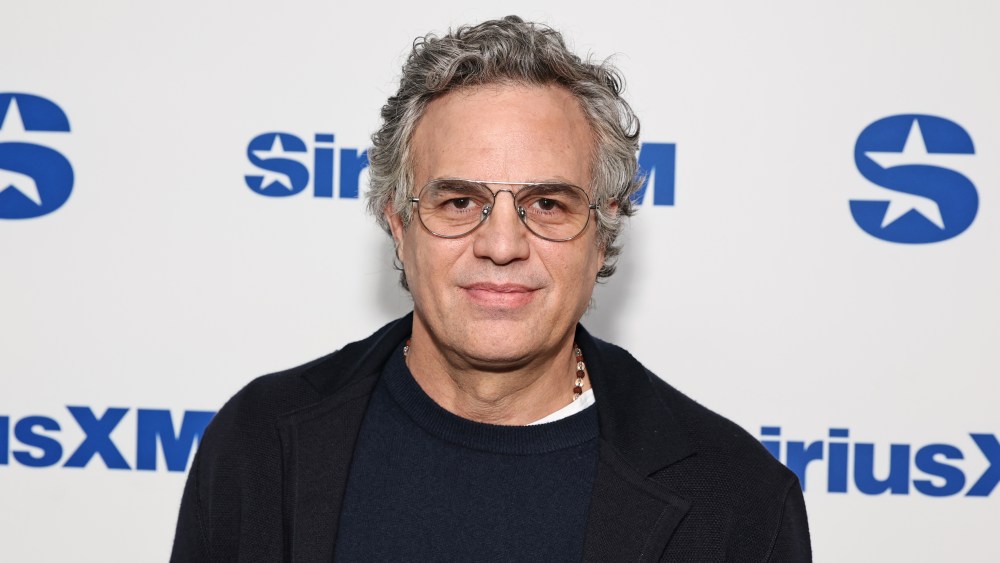
Mark Ruffalo recently appeared on the I’ve Had It podcast and said he believed he was “already on the list” of stars banned from Paramount Skydance Studios, having been a vocal opponent of the studio’s acquisition of Warner Bros.
“We’re doing this because we know we have to,” Ruffalo said. “And I know that no matter what, if I don’t speak up, the outcome will be the same. I’m already on the list. I’m no longer friends with these people. So you either fight or lie down. But if you lie down (and not fight), you still get the same outcome. That’s what every bully in the world does.”
“A lot of people were afraid to sign it all of a sudden,” Ruffalo said of the open letter condemning the Paramount-Warner Bros. merger. He added: “They’re afraid because, in the words of a prominent investigator, who I won’t name, these are the Ellisons, vindictive bastards.”
Despite some initial hesitation, Ruffalo explained that more Hollywood actors are “already starting to change and come out.”
“What we know is that courage is contagious and that there is safety in numbers,” Ruffalo said. “Many of the people written in this letter are people like me who can afford to be there or cannot afford not to be there. They are fighting for their lives. The stakes are very high. We understand what will happen when these mergers happen. It was Fox Disney that later merged. We lost so many jobs, we lost so many shows, we lost so many movies that were in production, in pre-production or in development. And we know the writing is on the wall.”
Ruffalo published an open letter in April and wrote an op-ed in the New York Times in May rallying people against Paramount-Skydance’s pursuit of Warner Bros. The editorial also said that actors and filmmakers fear that Paramount Skydance will retaliate if they speak out against them.
“The most revealing part of that letter wasn’t the people who signed it; it was the people who didn’t. Not because they disagreed, but because they were afraid,” Ruffalo wrote. “There are many reasons to block this deal, but I now believe that the most fundamental reason is what we encountered in trying to get artists to speak up: fear. A deep, ugly, pervasive fear of speaking up.”
