

Japan remains one of the world’s most closed TV format markets, exporting globally successful unscripted hits while importing few foreign concepts, according to data presented by The WIT CEO Virginia Mouseler during the Fresh TV: Japan session at Mip London.
Using the company’s real-time tracking database, Maurer said Japan currently ranks as the world’s seventh-largest format exporter, “on par with South Korea,” despite incorporating little international intellectual property.
According to WIT’s Top Format Tool, Japan’s “Dragon’s Den” continues to rank as one of the most widely adopted unscripted formats around the world over the past year, alongside global hits such as “The Floor,” “The Talks” and “The Traitors.”
Within the Japanese format itself, the most adapted unscripted titles in the past 12 months include “Dragon’s Den,” “LOL,” “Freeze” and the long-running game show “Run for Money,” highlighting the export strength of high-concept entertainment formats built around simple game mechanics.
At the same time, Japan still shows strong resistance to importing foreign formats. According to WIT data, only two international formats were adopted locally last year, while none were adopted the year before.
One such import is “Wedding Wars,” a Korean romance competition based on CJ ENM’s “Wedding Fighters,” which premiered on streaming platform Abema in April. The other is a reboot of Who Wants to Be a Millionaire, which returns to Japanese television 26 years after its first local release.
Maurer pointed out that Japan has a “long, long tradition of not importing formats” and is currently ranked 15th in the world as a format importing country.
Instead, much of the local activity revolves around the revival and reinvention of homegrown IP, including the recent reboot of the classic game show Challenge on Fire, which returned 30 years after its original broadcast.
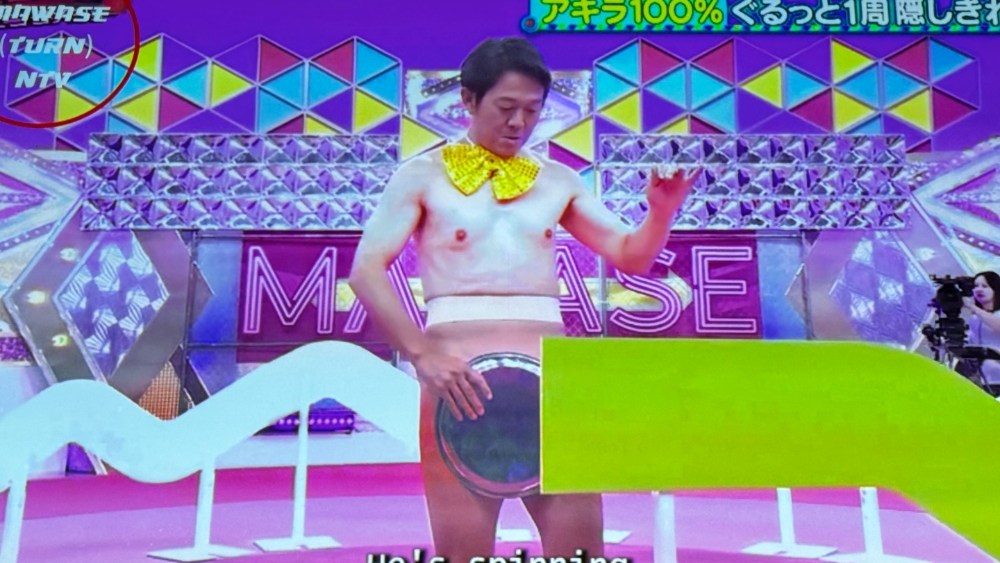
The presentation also highlighted a new generation of Japanese entertainment formats centered around visually-driven physics and social strategy gameplay, such as hybrid deduction formats, endurance-based competition shows such as “Cash or Splash,” and Nippon Television’s rotating stage challenge format “Turn” (“Mawase”), highlighting Japan’s continued focus on highly visual and easily exportable game concepts.
