

Amazon believes it can do more for TV advertisers than traditional TV.
The digital giant is preparing to meet with marketers at the annual Consumer Electronics Show on Tuesday. And if the company does, executives plan to tout its ability to help sell goods and services through its massive e-commerce portal, as well as its huge reach among consumers thanks to its streaming content and a series of programmatic partnerships with rivals like Disney, Roku and Netflix, among others.
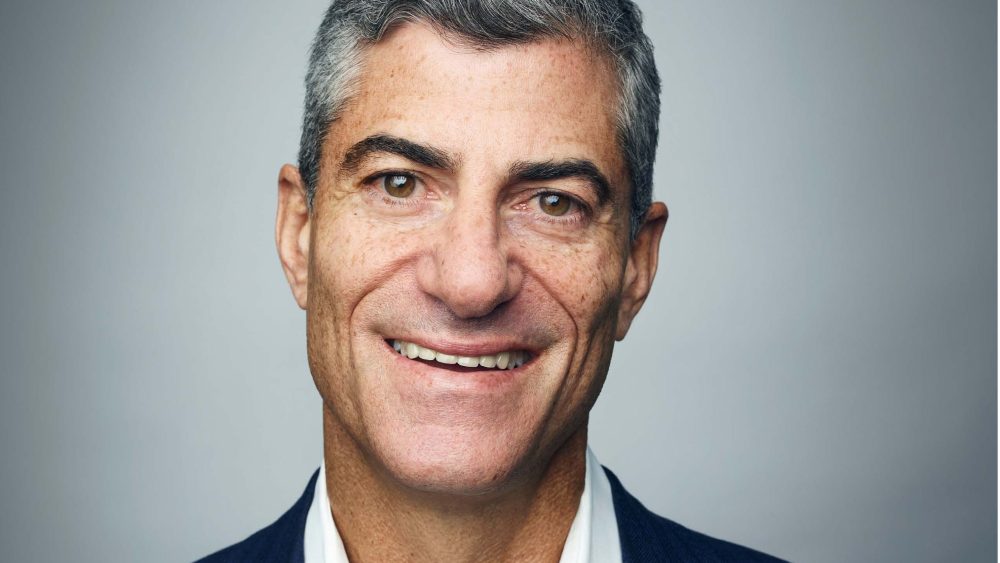
“At some level, we want to be a ‘jack of all trades’ in advertising,” Alan Moss, vice president of global sales for Amazon Ads, said in a recent interview.
Mr. Moss’s willingness to preview Amazon’s CES plans suggests the company remains confident in its ability to attract new support from Madison Avenue, as most video companies move early to negotiations ahead of the “upfront,” the annual sales market where the bulk of TV ad inventory is sold. “We are expanding beyond traditional channels and bringing more advertisers into our fold, especially in non-endemic regions,” he says.
Asked what category of advertisers Amazon needs to secure more funding from, Moss said, “The simple definition is advertisers who don’t sell on Amazon.”
Amazon appears set to shine an even bigger spotlight on its ability to connect advertisers with larger audiences. The company has created an enviable set of DSP deals that allow advertisers to reach both video and audio users for content tied to other companies. The hope is that the ability to offer marketers the opportunity to purchase broader programmatic inventory from a single venue could reduce the number of commercials shown to the same consumer and potentially improve the effectiveness of commercials by delivering them more accurately.
“We can now connect advertisers to 90% of all U.S. households, giving us broad and definitive reach,” Moss said.
Amazon can extend its reach beyond its own content by launching a new “Live Event Optimizer” that allows programmatic advertisers to connect with audiences in frequently viewed live moments. These are quickly becoming gold for the Madison Avenue magnates. They are dealing with a growing number of television viewers who watch programs on their own time, creating a disparate group that is difficult to reach in an efficient manner. Even though a significant portion of Amazon’s content is viewed in this fragmented way, the company continues to pour millions of dollars into sports rights. After winning “Thursday Night Football,” Amazon entered into the NBA with a new rights deal.
Rivals hold their own large-scale events to sell. Disney is expected to use the 2027 Super Bowl’s scheduled telecast to promote a broader series of live events and sell advertising packages in response. NBCUniversal has a new rights agreement with Major League Baseball that will help expand its Sunday night sports franchise and larger celebrations related to the broadcast network’s 100th anniversary.
Amazon has raised eyebrows in recent months among sales executives at many traditional advertisers after its tough take on the sales market last year. Amazon chose last year to hold its showcase on the opening night of the industry’s mid-May “Upfront Week.” It’s a time slot that rivals NBCUniversal and Fox have long used for events and meetings with advertisers and buyers.
This strategy doesn’t seem to hinder Amazon’s sales efforts. “Upfront deals with new and existing advertisers exceeded our expectations year-over-year,” Amazon said in an August statement, nodding to new NBA rights deals and interest in series such as “Fallout” and “Beast Games.”
Amazon is also highlighting new capabilities powered through AI One, which analyzes brand presence across Amazon properties and “generates creative briefs and storyboards for campaigns,” Moss said.
Additionally, a new “Full Funnel” product, scheduled to launch in the first quarter of 2026, is a new initiative that combines advertising that increases awareness with advertising that leads to sales. These efforts could start with “premium streaming TV, audio, reinforce the brand message with display and online video across Amazon on the open internet, and complete the conversion, whether it’s on a branded site or with sponsored ads,” Moss said.
The economic outlook has been cloudy in recent months, with tariff concerns creating some kind of overhang in optimistic sentiment. Recent predictions call for new reasons for hope in 2026. WPP Media expects global ad spending to increase by 7.1% in 2026, compared to its previous forecast of 6.1%. One factor cited is that the plethora of new products and services created by AI are creating new companies that need advertising.
“To some extent, uncertainty is part of the new normal,” Moss said, adding, “Regardless of the economic climate, advertisers are focused on leveraging advertising where it is most likely to achieve desired business goals, such as awareness, consideration, and distraction.”
