

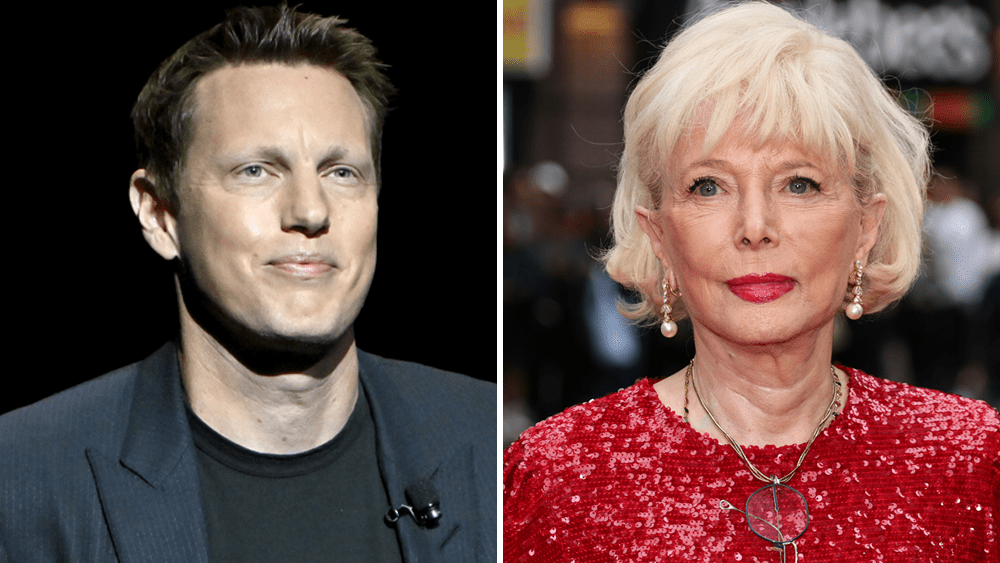
Paramount CEO David Ellison recently vowed to “60 Minutes” correspondent Leslie Stahl that the news magazine would have “editorial independence,” according to three people familiar with the matter. It’s the latest sign that the media conglomerate is trying to calm tensions over its venerable show following the recent ouster of its top producers and half of its broadcast staff.
Ms. Stahl told “60 Minutes” staff on Monday that David Ellison had contacted her and vowed to maintain the show’s independence, two people familiar with the matter said. According to the source, he also apologized for the recent uproar surrounding the show.
The Guardian and the New York Times previously reported details of Ellison’s conversation with Stahl. Paramount executives declined to comment.
In late May, CBS News ousted many of the senior executives at “60 Minutes,” CBS’ flagship show and one of its journalistic treasures. About two weeks ago, CBS News fired “60 Minutes” executive producer Tanya Simon. Dragan Mihajlović, Program Editor-in-Chief. Correspondents Sharin Alfonsi and Cecilia Vega. and senior producers Guy Campanile and Matthew Paulvoy. Within days, Scott Pelley was also dispatched after verbally sparring with the program’s new leader, Nick Bilton. The most-watched news program in the United States has only three correspondents left and must prepare stories for the fall.
Ellison’s words may help ease the tension on the show. The program has been in turmoil for the past few days, and it will be a tough summer without an increase in full-time correspondents. The company, under CBS News editor-in-chief Bari Weiss, is believed to want to squeeze more content out of “60 Minutes” for use on digital and social media, and to deliver more timely news segments that rely on people’s “gets” in the middle of important breaking news. Of course, “60 Minutes” had already done much of this in recent years.
Mr. Ellison recently said something promising to the CBS News staff, only to have his words ruined. In September, the company appointed Kenneth Weinstein, the former CEO of the Hudson Institute, a conservative think tank, as CBS News’ ombudsman. His job is, among other things, to investigate allegations of bias or error. Weinstein’s hiring shattered many of the relationships Ellison had built with the CBS News staff when he first acquired the Paramount assets. Mr. Ellison told CBS News employees in an early meeting after the deal closed how much he admired their work, people said.
Calming things down at CBS News could be crucial for media companies. Midterm elections in late 2026 typically draw larger viewers and associated advertising dollars to news programs. Weiss, who presides over a powerful portfolio of programs including “60 Minutes,” “CBS Evening News,” “CBS Sunday Morning,” “CBS Morning,” “48 Hours” and “Face the Nation,” generated $362 million in 2025, according to guidelines that track ad spending.
Bilton will have to work hard to boost the morale of his current “60-person” staff. Producers have been “self-censoring” themselves for months, avoiding ideas or themes that they believe would draw backlash from Weiss or the company, two people familiar with CBS News said. Producers are internally cowering after the show has been undermined by media companies who have consistently refused to publicly endorse it.
Paramount’s former executives turned the program into a bargaining chip with the Trump administration, using the $16 million settlement to end what many legal circles considered a flimsy lawsuit related to Whitaker’s pre-Election Day meeting with former Vice President Kamala Harris. Paramount entered into the deal as it seeks to complete its sale to the network’s current owner, Skydance. Paramount’s capitulation spurred the resignation of two CBS News executives, former “60 Minutes” executive producer Bill Owens and former chief executive of CBS’ news, broadcast and syndication operations, Wendy McMahon.
In late 2025, Weiss made matters worse by interjecting herself in the middle of a story about immigrants being sent to harsh imprisonment in El Salvador by the United States. Mr. Weiss ordered the piece to be put on hold after it had already been publicly promoted, and asked Mr. Alfonsi, the correspondent who reported the segment, to obtain comment from Trump officials after already making efforts. The move invited new scrutiny as it appeared to be an attempt to appease the Trump administration over a story officials may not like. The segment appeared on TV in January 2026, and Weiss admitted that she was not used to the way some news organizations worked, which led to unwanted attention.
