

The fourth edition of JBX (Joburg Exchange), the industry conference to be held from 4 to 6 March alongside the Joburg Film Festival, comes against a backdrop of growing optimism for African cinema, which has increasingly consolidated its place on the world stage in recent years.
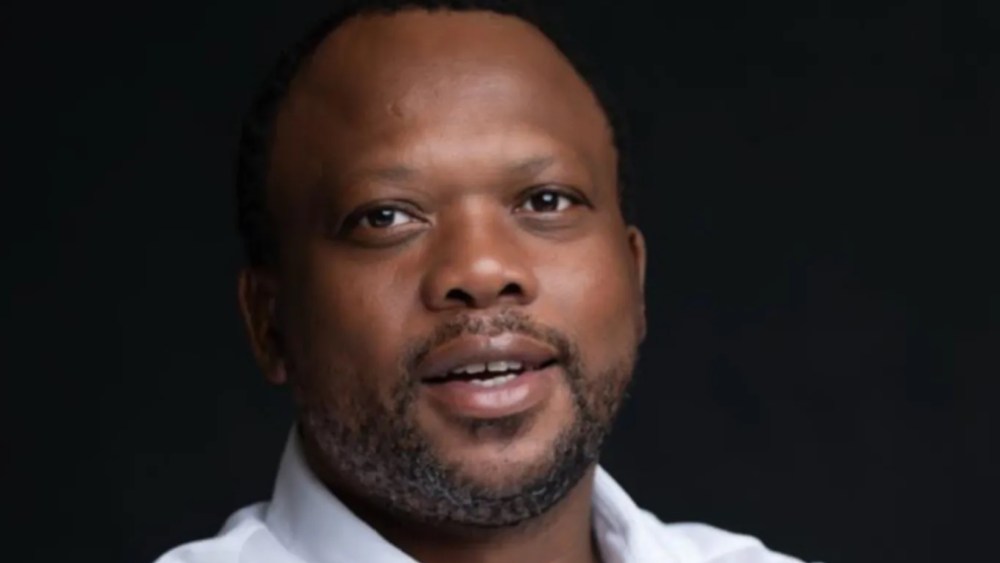
But amid ongoing frustration over how to scale up the success of the continent’s breakout stars and global industry uncertainty, this year’s event will explore how to tap into the “increasing audience appetite” for African films and transform it into a “sustainable ecosystem”, Joburg Film Festival executive director Timothy Mangwedi said.
“This agenda balances craft celebration with structural interrogation, asking not just what stories we tell, but how we build the systems that allow them to thrive,” he says.
With a three-day program of panels, masterclasses, screenings and networking events that bring together industry players from the continent and the world, the 4th JBX will not only celebrate the continent’s success stories, but also analyze some of the challenges facing African filmmakers today.
This year’s main agenda will include a focus on the relationship between African filmmakers and the diaspora, highlighting what Mangwedi describes as the “interconnected ecosystem” of both groups, and exploring how actors in both sectors can benefit from increased cooperation. Another focus will spotlight distribution, increasing access for African filmmakers to cinemas, streaming platforms and hybrid exhibition models, and focusing on efforts to ensure homegrown content reaches audiences.
The program will also spotlight emerging media, from microdrama and social-first content to XR, immersive experiences and other innovative storytelling formats, and explore how today’s digital landscape is impacting the creation, distribution and consumption of content across Africa. This focus underscores organizers’ efforts to position JBX as a hub where “culture, commerce and technology come together,” Mangwedi said.
Importantly, this year’s ConFab will also tackle the challenges plaguing South Africa’s industry, with an ongoing crisis over the host country’s rebate system sparking protests and pushing many local filmmakers to the brink.
“The dialogue we need to have is based on economic impact and accountability,” Mangwedi said, focusing on “how to protect this competitive tool, restore trust, improve management efficiency and ensure that the system delivers both the immediate production spend and long-term growth of South African-owned IP and businesses.”
Other program highlights include a deep dive into innovative financing models and strategies to support production on the continent, as well as a range of panels and masterclasses focused on the work of bottom-line artisans in film and television production, highlighting what Mangwedi calls “the invisible hand behind filmmaking.” Meanwhile, a panel discussion will highlight the achievements of Africa’s up-and-coming young talent, including Sundance Prize-winning director Remohan Mose (“This is not a burial, it’s a resurrection”). Berlin Prize-winning film director Imran Hamdoulieh (“The Heart is a Muscle”); BAFTA Breakthrough Award-winning producer and director Joy Galolo-Akpojotlu (“The Dreamers”); and multidisciplinary stage and screen writer and director Zoe Martinson (“The Fisherman”).
Notable industry guests include Netflix executive Kay Ann Williams, who was recently named director of scripted content for Africa for the streamer, and Chris Mack, director of Grow Creative Initiatives. CAA agent Oji Menakaya has set up a powerful agency, the CAA Africa Initiative, which will offer masterclasses on conveying perfect pitch. Academy Award-nominated editor Eddie Hamilton (Top Gun: Maverick) joins the conversation to discuss editing techniques. Producer and director Thea Stewart (“Why Not Us: Southern Dance”) will lead a talk on the hybrid documentary series format. and Emmy Award-winning production designer Warren Gray (“Catch Me a Killer”) explores the art of production design and art direction in film and television.
“Taken together, this program provides a comprehensive view of African cinema today, celebrating craft, nurturing talent, and addressing the policy, funding and distribution mechanisms that will define the future of the industry,” says Mangwedi.
“Ultimately, JBX aims to build a sustainable ecosystem, bridge industry needs and audience demands, embrace innovation, and allow African stories to travel and thrive across borders,” he continued. “If we can hold space for deeper conversations about equity, infrastructure, collaboration, technology, etc., we are not just hosting an event; we are helping shape the future of our industry.”
The Joburg Film Festival runs from 3rd to 8th March.
