

Following John Davidson’s Tourette-related revelations, BAFTA is setting the record straight on two fronts. These include technical issues over whether microphones near seats may have made the moment easier to hear, while the BBC faces intense scrutiny over the tape-delayed broadcast of BAFTA and how racial slurs remained on iPlayer.
BAFTA officials told Variety that they had reviewed Davidson’s comments in a recent interview. Davidson said the following: “Looking back in the auditorium, I remember there was a microphone right in front of me. In hindsight, I wonder if it was wise. I was so close to my seat that I knew it would tingle.”
BAFTA said it investigated the claim and assured StudioCanal that the microphone “does not amplify the sound of the room or broadcast.” The group said it was an “analyzer microphone that monitors the volume in the room for EQ purposes.”
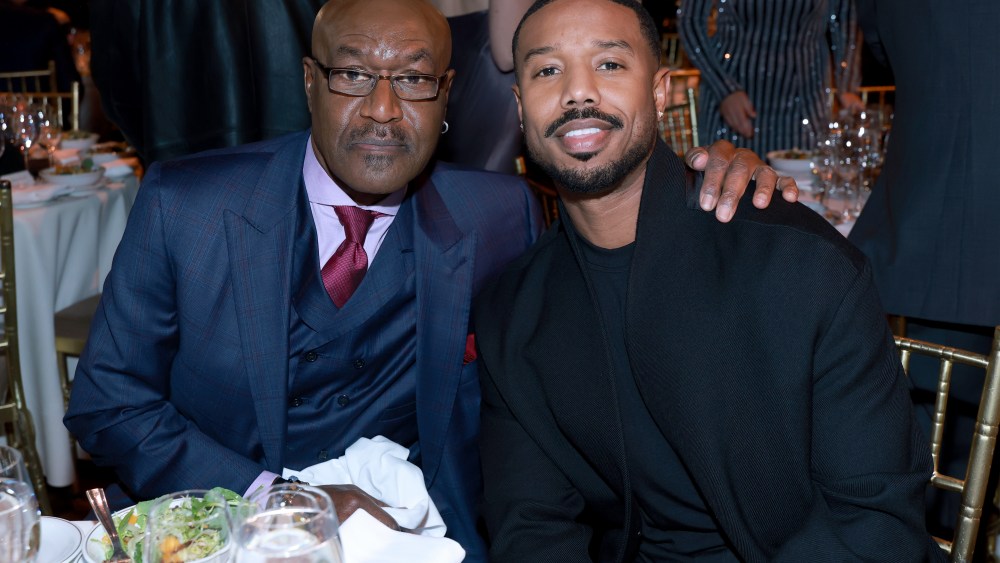
The BAFTA update comes amid wider controversy over the BBC’s handling of the moment in its broadcasts. The ceremony was tape-delayed and edited for a two-hour BBC One telecast, but the N-word uttered during the presentation by Sinners stars Michael B. Jordan and Delroy Lindo was still broadcast and available on iPlayer for several hours before the BBC pulled the show and apologized.
Variety confirmed Deadline’s report that BAFTA had raised concerns with the BBC about the issue, with questions swirling about editorial safeguards in the delayed telecast and why the segment was not removed before it became available for streaming.
International reporting on the fallout also cited Davidson’s comments to Variety magazine, emphasizing that the words were an involuntary neurological tic, not an act of intent or belief. The BBC later described the momentary editing failure as a “serious error” and ordered a swift internal investigation.
For BAFTA, the microphone explanation appears aimed at putting to rest certain theories that equipment near Davidson acted as a live pickup to amplify the sounds heard by viewers. Even bigger questions remain about broadcast and editorial oversight, duty of care, and risk management for live events.
