

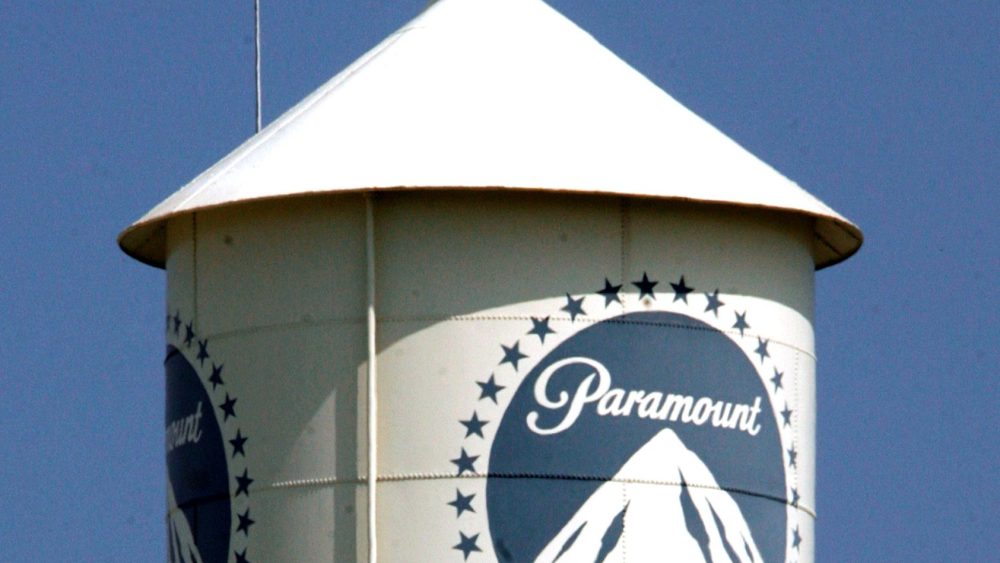
One of the most important mergers in Hollywood history may have cleared federal antitrust scrutiny a week before it was announced.
Paramount announced on February 20 that its deal with Warner Bros. Discovery has passed the statutory waiting period that allows the Justice Department to preemptively block a merger. Paramount’s chief legal officer, Makan Delrahim, has been considering expediting the process if Netflix’s proposal fails, and he did so on Thursday.
“It’s unusual and incredibly creative and wise to try to complete federal merger review before an agreement is reached,” said Lee Hepner, senior legal counsel at the American Economic Liberties Project. “He really shortened the time period for objections after a merger is approved.”
It’s still possible that the Justice Department could seek intervention, but as a practical matter, the process could be left in the hands of state attorneys general. California Attorney General Rob Bonta on Thursday promised a “vigorous” investigation and warned that the deal was “not a done deal.”
The state auditor’s office has fewer resources than the Justice Department to pursue major cases, but they could join forces to block the deal.
“It’s common for the attorney general to form a coalition that can bring this case,” said Spencer Weber Waller, a professor of antitrust law at Loyola University Chicago. “States are getting better at this. They’ve developed a very consistent track record of opposing transactions based on traditional antitrust theory.”
Netflix’s deal to acquire Warner Bros. Discovery has prompted antitrust warnings due to the company’s dominant position in streaming. Paramount isn’t nearly as big in the streaming market, but it is a major supplier of movies and TV shows. The merger with Warner Bros. Discovery could raise concerns for creators, with theaters potentially having fewer outlets to sell to and ultimately showing fewer films.
“There seems to be less backlash and concern about the Paramount deal than there was about Netflix,” said Jennifer Dixton, a former deputy chief of the Justice Department’s antitrust division who now teaches at UCLA. “There may still be some hurdles Paramount has to overcome before a deal can be done. I don’t know if that’s completely clear.”
Warner Bros. CEO David Zaslav told employees Friday that the deal would likely take six to 12 months to complete. The deal will come under intense scrutiny in the UK and the European Union, but those jurisdictions are likely to impose conditions rather than blocking the deal outright.
In 2019, a coalition of state attorneys general tried to block the T-Mobile and Sprint merger. The effort reached a settlement, allowing the deal to proceed with certain protections for consumers and employees. Multiple states worked with the Federal Trade Commission to block the 2024 merger of Kroger and Albertsons.
If states pursue a policy similar to that of Paramount and Warner Bros. Discovery, they could do so without federal support. Matt Stoller, director of research at the American Economic Freedom Project, argued that while that may have been a major hurdle in the past, it’s less of a barrier now.
“There’s not a lot of trust in the federal government,” he says. “This is clearly corrupt. It’s ridiculous. At the very least, if the federal government allows us to shut down really quickly, it shows that fixes are on the way.”
