

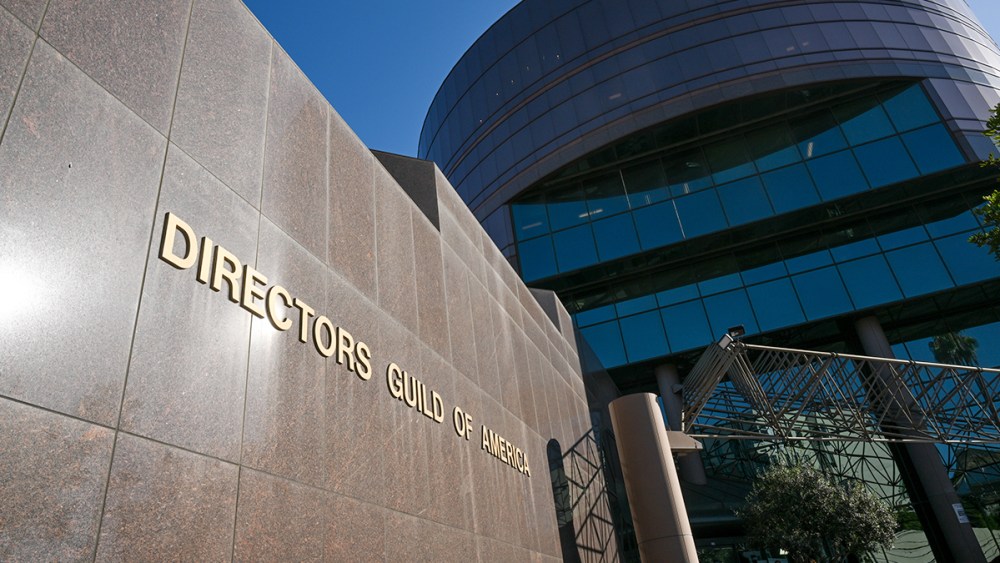
The Directors Guild of America has voted to approve a four-year contract aimed at keeping members employed during a historic recession in film and television production.
DGA Chairman Christopher Nolan and National Executive Director Russell Hollander told members Thursday that the deal was “overwhelmingly” approved.
“Throughout this process, our focus has been clear: protecting our members, strengthening the Guild, and addressing the challenges facing our industry at a time of great change,” Guild leaders wrote. “This incredible support from our members for this new agreement shows the strength of our unity and unity.”
The agreement with the Alliance of Motion Picture and Television Producers places restrictions on non-actors and non-directors who wish to direct television, allowing them to direct no more than two episodes per season. The rule includes various exceptions and is intended to preserve the employment of career TV directors.
The DGA also secured a commitment from senior executives at some major studios to lobby on behalf of federal tax incentives “where it is strategically advantageous.” Federal production subsidies are a top priority for Hollywood workers, and the union wants studios to fully participate in the push to pass them in Congress, rather than leaving the job to the Motion Picture Association alone.
The deal also includes an increase in contributions to DGA Health Insurance, which was scheduled to run out of reserves in 2030. The new contract increases medical contributions from 11.25% to 14% of compensation, while also significantly increasing the cap on medical contributions.
In return, the DGA agreed to recommend modifications to health benefits to plan fiduciaries, including raising eligibility thresholds and increasing individual premiums. These amendments were not included in the agreement for members, but must be implemented by January 1, 2027, as a condition of receiving increased employer contributions.
The contract also stipulates that the footage generated by AI will be under the control of the director. The agreement also calls for an employer-funded “skills enhancement” program to train DGA members in the use of AI. The program is expected to be operational by the end of this year.
The studios also agreed to meet with the DGA to negotiate potential compensation for DGA members if they license material for AI training. These terms are consistent with previous agreements with SAG-AFTRA and the Writers Guild of America.
The DGA has also focused on expanding union coverage for directors working overseas. The union was unable to reach a firm conclusion on this point, but agreed to continue meeting with the studio to discuss the issue. AMPTP also agreed to issue a bulletin reminding producers not to discriminate against DGA members when hiring for foreign productions.
The deal also includes a new credit, “Pilot Director,” which will be included on all subsequent episodes of the TV show. This credit is intended to acknowledge the pilot director’s role in establishing the style of the series by placing the pilot director on equal footing with a writer who receives an “author” or “developer” credit. From now on, when a company’s press releases mention the creator of a television series, they should also mention the director of the pilot.
AMPTP issued a statement celebrating the ratification of the DGA.
“This agreement makes a historic contribution to Guild’s health plan, meaningful wage and residual benefits improvements, and strong job protections,” Studio Group said.
The ratification ends this year’s negotiations with top unions such as the DGA, Writers Guild of America and SAG-AFTRA, all of which reached agreements well before their contracts expire and without the threat of a strike.
AMPTP expressed its appreciation for the “collaborative approach” of all three parties.
“With the Spring 2026 negotiation cycle now complete, AMPTP thanks the DGA, WGA, and SAG-AFTRA for their thoughtful and collaborative approach to negotiations,” AMPTP said. “Together, we have reached an agreement that will provide significant benefits to Guild members while supporting greater stability across the entertainment business. We are encouraged by the trust that has been built throughout this cycle and look forward to building on that momentum and increasing opportunities to share success across the industry.”
