

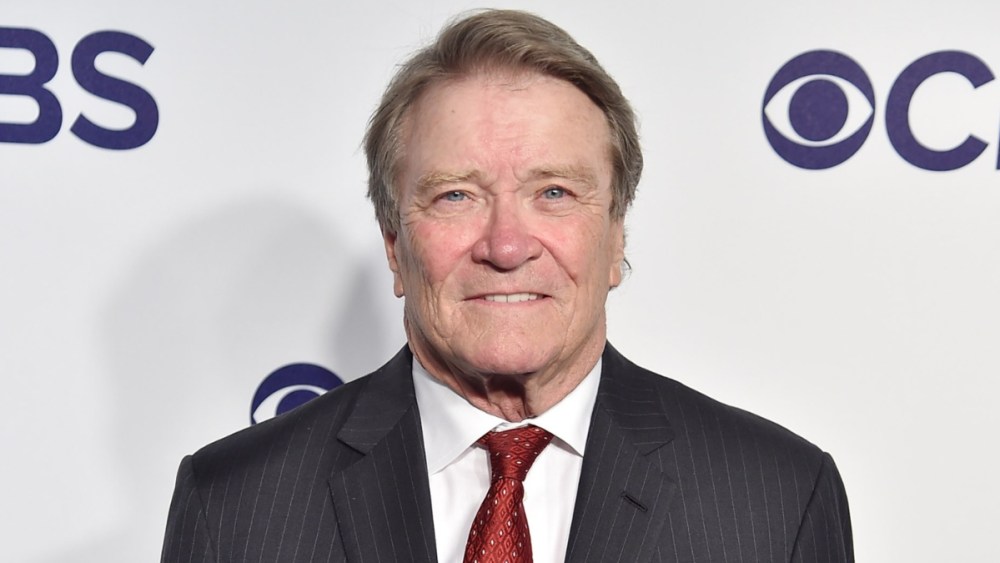
Steve Kraft, a longtime correspondent for “60 Minutes,” recently spoke on Bill O’Reilly’s “We’ll Do It Live!”. He said on the podcast that he “hated” his time on the CBS news program.
“I thought ’60 Minutes’ was really fascinating and I didn’t know if I was really going to get there. I didn’t really think about it. When you really think about it, there’s a lot going on, and first of all, you only have 24 hours a day,” Kraft said. “So you might lose a few hours of sleep. The buzzer goes off, you get on the jet, you go here, you go there, you do it all over again, you come back, you spend three or four days writing the script, then you go to the screening, you get back on, and you start all over again.”
Mr. Kraft explained that he was drawn to “60 Minutes” because the leadership team values ”good stories.” He also said it was “refreshing” how much exposure his work got, for better or worse. After reporting on some particularly dangerous subjects, Kraft said he and other journalists would be “thrilled by the fact that you’re alive.”
Kraft also recalled how competitive it was to join the “60 Minutes” newsroom and how jealous his fellow journalists were after he got the job.
“I remember when I got cast on ’60 Minutes,’ I thought it was great and I expected a lot of people to come up and say, ‘That’s really great, I’m really happy,'” Kraft recalled. “Then, after a while, I realized that not everyone was happy that I got the job. There were other people who wanted the job. So all of a sudden I had a lot of enemies… It was a pit of snakes.”
After appearing on “60 Minutes” in 1989, Mr. Kraft retired from CBS in 2019 at the age of 73. After 30 seasons, he was the longest-serving correspondent on the show. Highlights of his career include interviewing Hilliary Clinton, then the spouse of future President Bill Clinton. When asked about rumors of an affair, Hillary Clinton infamously said, “I’m not sitting here and being some little woman standing next to a man like Tammy Wynette. I’m sitting here because I love him and I respect him.” He also published articles on insider trading in the U.S. Congress that led to major reforms and interviewed President Barack Obama 11 times.
