

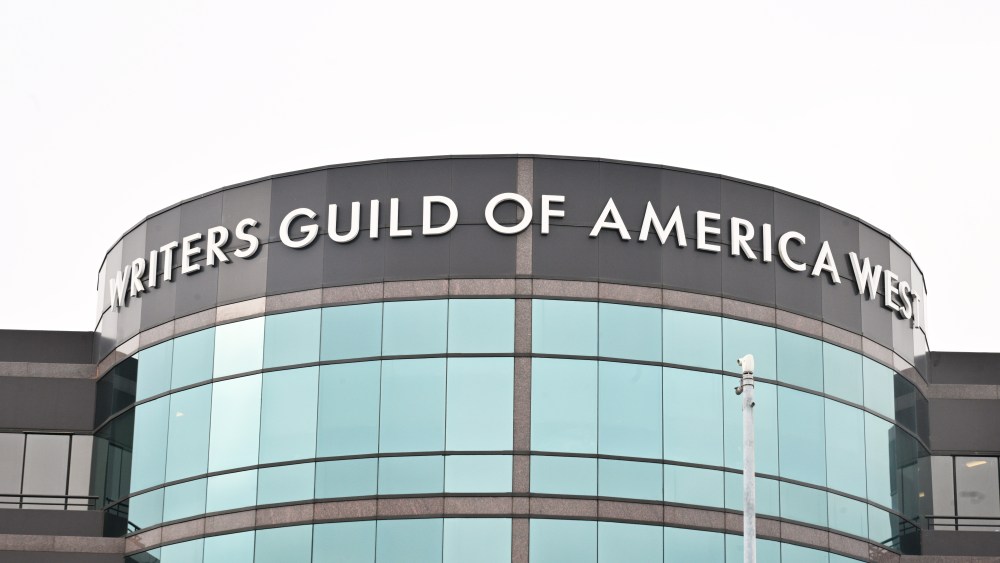
Members of the Writers Guild of America voted to approve a schedule for negotiations with the studio, scheduled to begin March 16th.
With 97.4% voting yes, the union approved a “pattern of demands” that focused on issues such as health care, compensation and artificial intelligence, among others.
The WGA has already told its members that health funds are facing dire financial conditions due to industry contraction and rising health care costs. The union says the health fund has suffered eight-figure losses totaling $205 million over the past four years, and if nothing changes, the fund will run out of money over the next three years.
This pattern of demands requires employers to agree to increase contributions to pension and health funds, and to increase the cap on remuneration against which contributions are assessed. In a memo to members last week, the WGA also warned of the need for “changes in plan design that save money while preserving access to high-quality providers.”
The Motion Picture and Television Producers Alliance, which negotiates on behalf of studios, released a report in December arguing that Hollywood workers enjoy very generous benefits compared to typical employer-based programs.
As always in negotiations, the WGA will seek an increase in the minimum compensation rate. It also seeks to benefit from two key issues arising from the 2023 strike: artificial intelligence and streaming residuals.
This pattern of demands does not address another major strike issue: minimum staffing for television programs. In the 2023 contract, the WGA received a provision that effectively eliminated the “mini-room.” A mini-room means a small group of writers can work on multiple scripts for a small fee while a project is being developed. WGA also obtained a minimum staffing requirement for the show once it is greenlit, ranging from three to six writers, depending on the length of the season.
Although this pattern of demands does not address minimum staffing, it does touch on the related issue of compensation for writers who participate in post-production. It also highlights how “unpaid work,” a long-standing concern among feature writers, has spilled over into the television industry in recent years.
A request pattern is an overview of a topic area. Detailed proposals will be presented to AMPTP once negotiations begin, but will be kept confidential while negotiations are ongoing.
