

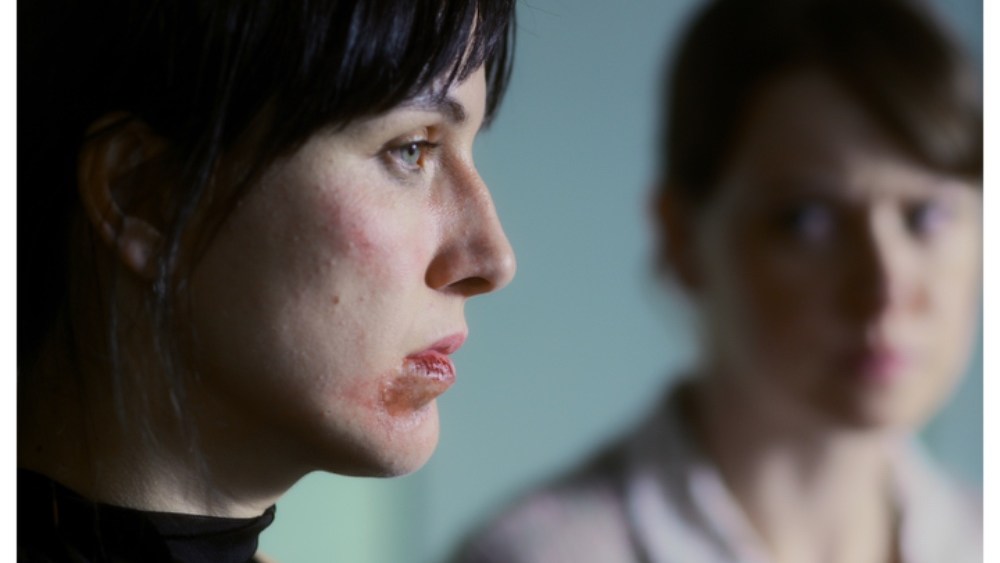
The team behind “Monyová,” a market selection in the Berlinale series about the popular 1990s Czech writer Simona Monyová, who was murdered by her own husband, continues to explore the theme of domestic violence in the three-part documentary series “Love Doesn’t Hurt” (“Láska nebolí”).
The program is said to not only focus on pain, but also on “effort, understanding and change.” The criminal will also appear.
“After Simona’s murder, many people contacted domestic violence victims’ organizations and asked for help. We thought: Why don’t our viewers need more information? We found that these organizations also reach out to abusers. It became clear that to truly tackle the problem of domestic violence, we need to look at abusers as well,” says Barbora Namerova.
Namerova launched the project together with Tomáš Klein and creative producer Klara Forova. Produced by Dagmar Sedláčková and Johana Kolářová.
Director Forova agrees: “We need to start with the people who are committing these acts. We are not excusing them, but it is also important to help them. We also want to break new taboos and show that men can be victims of domestic violence too. We have brave directors who speak publicly about their experiences.”
The research team took four months to conduct the study.
“We were able to understand this theme on a very deep level,” Namerova admitted, praising researcher Radim Lisa, who ultimately received screenwriting credit. “Love Doesn’t Hurt” also includes animated sequences by Lukáš Fišárek.
“It was an ethical decision because we don’t want to reenact violence and they’re talking about something really difficult. Animation allows viewers to understand their situation better and feel like they’re there too, especially when someone is talking about childhood abuse.”
In “Monyová,” financed by broadcaster TV Nova/Oneplay and directed by Zuzana Kirchnerova, also known for her Cannes premiere “Caravan,” the deceased protagonist finally regains her voice.
“This show and this whole initiative is very meaningful. Simona was a real star, and since I presented this series so many women have approached me. But the younger generation only knows her as a woman who was killed by her husband,” says Kirchnerova.
Although Monyova was a public figure, she kept her hell a secret and only revealed it in her books.
“We wanted to emphasize that she became famous not because of her murders, but because of her books. Her last novels were actually all about domestic violence,” says lead actor Tereza Lamba.
“She was such a wonderful woman, but then she started losing weight and becoming weaker and weaker. The whole country was witnessing it, but no one knew. She was asking for help in these books.”
The show depicts Monyova’s remarkable success as she becomes a best-selling author and rises to fame, and the frustrations of her unemployed husband, which manifest as emotional abuse and manipulation.
“Igor Orozovich, who played the husband, went to see the abuser’s psychologist. It wasn’t just the violence. People pitied the man, not her. They called her a bitch. He was the poor man in her shadow,” says Kirchnerova.
“Back then, she was… too much. Too much for men and too much for women. Even now, some people claim she ‘deserved’ her because of her sexy clothes and sports cars. So what?! That doesn’t give you the right to abuse or kill people.” No. Young people will be able to connect with her more because they get angry when people say they want too much or are too rich. We have too much right to be loud, eccentric, or just successful.
Lamba said he hopes “Monyová” becomes much bigger than a TV show by raising awareness by providing information about domestic violence helplines at the end of each episode.
“We want to empower women. I have a four-year-old daughter, and when she doesn’t like something she says, ‘Stop.’ It’s so easy, but we need to spread this message. You can say ‘no.’ ”
