

The industry is “nervous about telling the stories that matter.”
“It’s becoming very safe,” said Andri Omarsson, CEO of Icelandic production company Grass River. “What I’m always told is, ‘Watching the news is scary, so our work has to be interesting and engaging.'” Iceland tells stories in languages other than English, which makes international funding even more difficult. ”
“In Germany, when it comes to developing shows, we have a good balance of female and male producers and writers,” Alicia Remirez said at the beginning of the Berlinale Series Market panel, “Changing the Narrative: Gender Balance in the Industry,” held in partnership with Variety. “But it’s predominantly male producers who are commissioned. We need to take a closer look at who is behind the production of the shows. The balance is not as balanced as it could or should be.”
Constantin Film CEO Remirez agreed with Omarson’s opinion. Wars, pandemics, and ongoing crises have convinced decision-makers that audiences need “light entertainment.” But that shouldn’t come at the expense of women’s perspectives.
“‘Barbie’ and ‘Bridgerton’ have strong female perspectives and have been hugely successful,” she pointed out.
Monyová, a new series about a famous Czech writer who was murdered by her husband, combines entertainment with social issues. Just like Simona Monyova’s book.
“She was writing romantic novels, but she was actually very self-deprecating. After the murder, it became clear that she was writing about her relationships and what she had endured,” explained Barbora Namerova, one of the series’ creators.
“Her voice[in the book]was so strong that we were able to portray her as more than a victim. I feel like we gave Simona her voice back.”
Namerova, who is also the creator of Filthy and Nightsiren, admitted that it has become easier to tell stories about women and the violence they experience.
“When we were working on Filthy, it was before #MeToo and no one wanted to hear about rape or the aftermath. With Monyová,[co-creator and creative producer]Klára Follová had to really be brave, not only because we wanted to talk about murder, but also because she wanted to create an almost all-female team,” she recalls.
“I think things are slowly changing, but we still needed this woman to push us forward.”
Even in Iceland, which elected the world’s first female president, Vigdis Finnbogadóttir, gender balance remains a “huge topic,” Omarsson said.
“All producers, male or female, have to be mindful of that all the time. We have to ask ourselves: How can we nurture women’s stories and ensure their success? Five years ago, we set strict guidelines within our company. We now have gender balance across our cast and crew, and even in senior roles.”
Certain storylines, particularly those involving gender violence, require a more balanced group of collaborators. The Omarson-produced series “Cold Heaven” was originally developed by two female writers in Portugal, but the team has expanded.
“We added a male Icelandic writer, but as the storyline became abusive, we needed an Icelandic female perspective as well. We also engaged seven external editors who provided creative notes specifically on this subject. It took time, but we felt it was important,” he said.
“In Iceland, two out of three commissioners are women. This is a nice change, but we are influenced by what the market is buying. We divide our slate into two categories: those that respond to market demand, and the other are ‘passion projects.’ We must not forget the important stories we want to tell. ”
While it is easy to point out the lack of gender balance in a particular society, most problems remain, namely the lack of equal pay and lack of male dominance in the technical sector.
“I’m from Spain, and it’s easy to say that a ‘masculine’ society is not suitable for women. That’s very obvious. But just because things are more nuanced, like in Germany, doesn’t make it any less painful,” Remirez said.
“Germany still has a lot of work to do, and diversity is an even bigger issue. So many people are excluded from our industry. I really want us to grow, even if world politics is very conservative right now. I think we’re moving in that direction. I just hope we don’t stop.”
As Variety exclusively reported, as “Monyová” expands into “Love Doesn’t Hurt,” a documentary series about domestic violence, Namerová said it’s also necessary to consider “who owns the story.” Especially when it comes to true crime and trauma.
“There is a big debate about this in the Czech Republic (related to the film ‘Broken Voices’). We also need to think about the families of the victims or the families of the perpetrators. I hope we will be more sensitive.”
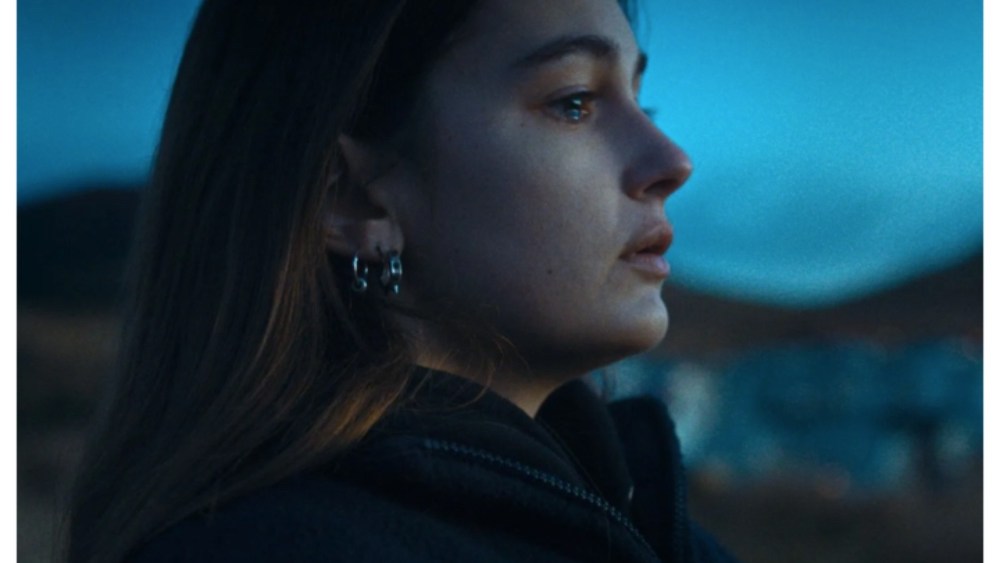
In a statement shared during the panel discussion, the show’s director Zuzana Kirchnerová admitted that she wanted viewers to experience Moniova’s emotions “with her”: “That’s why I used frequent close-ups of the lead actress’s face and kept the camera at an intimate distance. The physical closeness of the camera reflects the fragility and vulnerability of the character.”
Remirez has also noticed a change in the way sensitive and violent scenes are depicted.
“I was talking to two young men right now, one a director and one a screenwriter, who are struggling to understand how they can be good partners for women in this industry. I feel like there’s a movement. Open-minded men want to be allies, and this is a way to do that. You include people,” she observed. However, the presence of female committee members is key.
“I want to say to the commissioners: ‘We have to invest in women producers.’ The content may not be completely different, but it may be different enough to actually make a difference.”
Omarson added: “If we can normalize good behavior, I’m happy too.”
“Even shows that aren’t about gender balance should be developed with these metrics in mind. That’s good for everyone.”

“Monyova”
Provided by NovaTV
