

Since bursting onto the world screen stage with the deeply personal documentary drama Bye-Bye Africa (1999), Chadian director Mahamat-Saleh Haroun has been at the forefront of a generation of filmmakers who have put African cinema squarely on the map. Despite moving to France in the 1980s at the height of Chad’s devastating civil war, he continues to return to his Central African roots, calling it his “duty” to document life in his homeland.
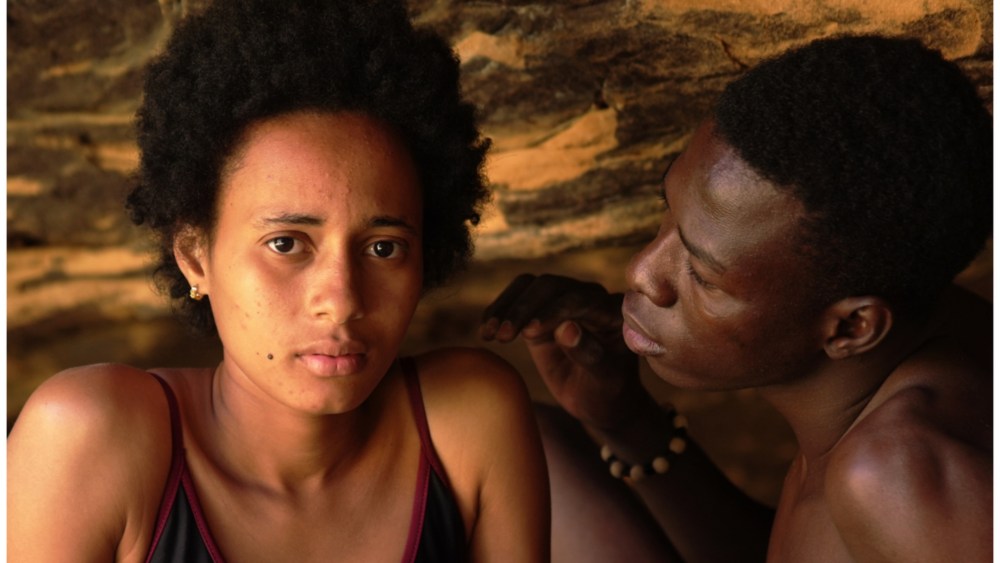
The director, who won the Special Jury Prize at the Cannes Film Festival for “The Screaming Man” (2010) and has competed for the Palme d’Or three times, will compete for his first Golden Bear at this year’s Berlin Film Festival with “The Starry Night.” This is the story of a sisterhood in which a young woman, plagued by haunting hallucinations, befriends a village outcast.
Variety spoke to Haroun about his latest news.
“Sumsum, Starry Night” was filmed in the Ennedi Desert, a strikingly remote area in northeastern Chad. How did that location inspire your film?
It reminded me of all these legends and childhood stories that I grew up with. When I was a child, there was a person who turned into an animal at night. They became foxes, hyenas and lions. All of that was very exciting to me. The Ennedi Desert is full of stories and legends. When I saw that scene, I started writing the story.
What do you think is special about this region?
In this region of Chad, they discovered (the fossilized remains of) the first humans on Earth. I think all of humanity belongs here. We are all immigrants – we moved from there. I wanted to create a kind of myth about this place and this story, the story of the beginning of our world. It’s a Bible story. It belongs to the beginning of humanity.
In this film, newcomer Maimouna Miawama plays Kelow, a very energetic, stubborn and determined young woman. How did you know she was right for the role?
When she came for the casting, I really liked the way she moved in the scene. There was a certain elegance to it. We started talking about her life. She looked a little depressed. She lost her brother when she was a child and started crying. I was very impressed. She is someone who lives with this absence. Having that awareness was very powerful for me.
You moved to France over 40 years ago. How is your relationship with Chad?
I return to Chad three or four times a year. We are always in touch. I think it’s very important to tell stories from within the country rather than from abroad. That’s why I try to be there as much as possible. People sometimes say, “Even though I’ve been in France for a long time, I look just like people who live here.” I love it. I mean, I’m not lying in the movie.
You have described making films in Chad as your “duty”. why?
My movie theater has become a kind of archive. Many of the locations I shot in movies have disappeared. Everything is being destroyed due to modernization. The past must be preserved. Otherwise there would be no history. It’s like building a kind of memory for this country.
Does that motivate you to continue?
We have to tell all these stories. Because if you don’t, no one will talk about it. It’s always a kind of sadness. But movies bring a semblance of brightness and hope. That’s what we need.
