

Alex Gibney’s new Sundance documentary ‘The Knife’ includes never-before-seen footage of the brutal 2022 attack on Salman Rushdie in Chautauqua, New York
Rushdie, who was visiting the idyllic resort to discuss freedom of expression, was stabbed multiple times by Hadi Matar, a 24-year-old man who was angered by his 1988 novel The Satanic Verses, about the life of the Islamic prophet Muhammad. This novel led to Khomeini being ordered to die. Shockingly, Matar repeatedly plunged the knife into Rushdie’s neck, face and abdomen as onlookers rushed to the stage to try to stop the attacker. But it was something Rushdie believed needed to be shown in all its brutal brutality.
“People should see and experience what terrorism feels like,” Rushdie said on the Audible variety show Sundance Studio.
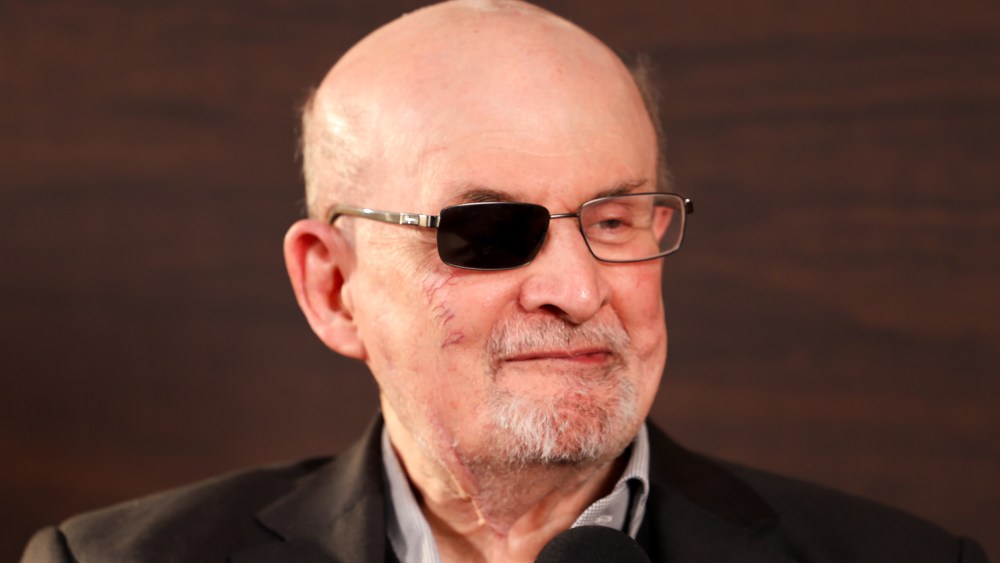
The documentary, officially titled “The Knife: The Attempted Murder of Salman Rushdie,” includes footage of Rushdie in his hospital room in the days following the attack, shot by the author’s wife, Rachel Eliza Griffiths. The camera doesn’t shy away from documenting his wounds. Rushdie ends up losing an eye that pops out of its socket, and his neck and chest are a horror show of pieces sewn together.
“A few days after the attack, Salman seemed more like himself and asked me if I could take a portrait of him to record what was happening,” said Griffiths, a novelist and poet. “Then we start having things like video diaries and conversations that we were creating purely for ourselves in moments of trauma. We can still be storytellers even with a camera, and we felt that was really important.”
After Rushdie returned to normal life and began writing a memoir documenting his experiences, the couple asked Gibney to turn their footage into a documentary. They felt they needed someone with an outside perspective. Gibney decided that the film should not only depict the attack that nearly ended Rushdie’s life, but also the bonds that sustained him throughout his recovery.
“It was really Alex’s idea that we needed to flesh out the story and make it a human story about relationships, not just an account of a crime,” Rushdie said.
The film ends with Rushdie and Griffith returning to the Chautauqua amphitheater where they were stabbed.
“Very early on in my recovery process, I felt like I needed to go and show people that I was getting back up where I had fallen,” Rushdie said. “That felt psychologically important to me.”
In the film, Rushdie occasionally expresses frustration at the fact that he will be remembered not only for the novel he wrote, but also for the constant threats he faced defending free speech. But “The Knife” still sounds a clarion call that insists the American school principal must be defended.
“There are all kinds of attacks on free speech right now, and maybe this story will help people think about that and understand the value of it,” Rushdie said. “One of the reasons people like me came to live in the United States is because of the First Amendment, which places a high value on freedom of expression.”
Gibney is angry that media conglomerates, which own major news networks as well as film and television studios, have avoided producing content critical of the Trump administration. Presidents have often used lawsuits, such as those filed against “60 Minutes” and ABC News, to exert control over the press.
“This is shameful given that many mainstream media organizations have taken a knee,” Gibney said.
More than three years after the attack, Rushdie insists she has no fear of going out in public, despite increased security measures.
“I’m still missing the eye, but emotionally I feel like I’m over it,” Rushdie said. “I realized I was a tougher person than I thought.”
