

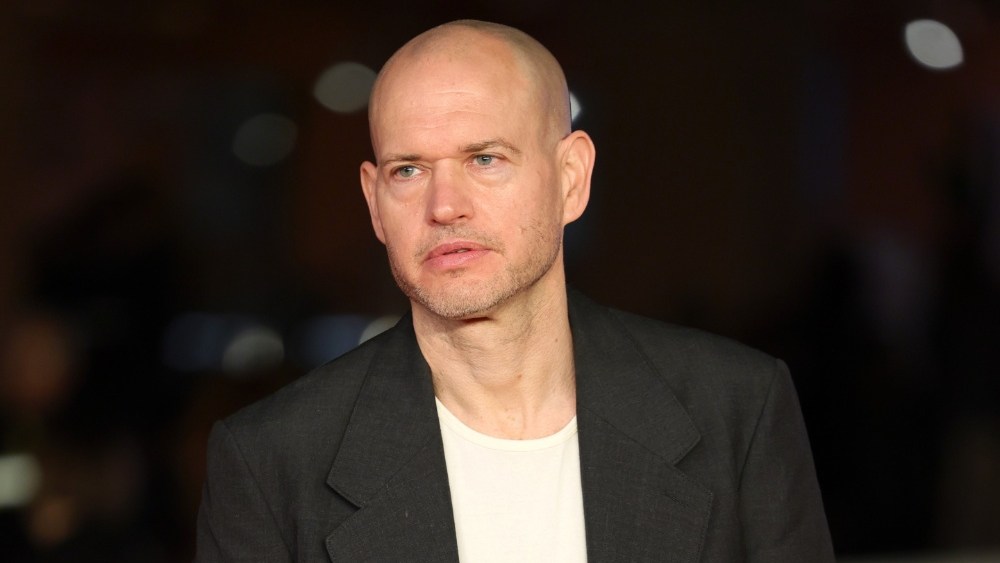
Dissident filmmaker Nadav Lapid is set to shoot his next film in France, a project still in early stages of development but which he says will echo the themes of his Berlin Golden Bear-winning film Synonyms, which was set in Paris.
“You could say the guy from ‘Synonyms’ is meeting his old self,” Lapid told Variety. “The young character Y meets the modern Y, who is old and weary. The film explores what it means to live in detachment. It is not optimistic, but it suggests that even if there is nowhere to go, there is still the ability to move and leave. As long as there is movement, nothing is completely hopeless.”
The project, which builds on Lapid’s ongoing collaboration with French producers Les Films du Val and Si Fu Mi Productions, will almost certainly proceed without Israeli institutional support given the derogatory reactions his recent films have provoked, but is, by his own admission, designed to provoke. However, despite self-imposed exile, Lapid remains locked in conflict with certain Israelis.
“Right now I’m confronting the central figure in this process: myself,” he says. “This is the most vulnerable and painful stage of creation. I’m trying to convince myself that this could be my best film. If I don’t believe that it has that potential, it’s hard to work at all. So I’m trying to trick myself into thinking this could be something big.”
Lapid, now based in Paris, says he was hardly surprised by the backlash in Israel for his hard-hitting and controversial film “Yes!”.
“They mostly prefer to ignore it,” he says. “The reception was unsurprising, but upsetting. There was even an official video produced by the Minister of Culture, who assembled a film crew in his office and created an inflammatoryly edited clip of some of my interviews, which was featured in all my films. He accused me of trying to offend the ‘pure and holy’ soldiers of Srael while spitting Israel’s money in their faces. And now, he said, this is the last time I will be forgiven.”
But calls for a boycott of the film overseas have strengthened Lapid’s feelings.
“I don’t care about the concept,” he says. “A boycott can be a sad but legitimate political tool when nothing else works. What I hate is political laziness. Some people think that by not saying ‘yes!'” In Belgium, they support the Palestinian cause. That’s just lazy. They invent a world where movies are a problem and they solve the problem by boycotting them. It’s all symbolism and divorced from real politics. ”
“If you focus only on symbols, you separate yourself from the reality of what is happening,” he continues. “It’s like a child who thinks he’s solved a problem by taking the easiest route. And he’s not very keen on moral criticism from people who don’t put him at risk. If you want to boycott, that’s fine, but then let’s barricade ourselves in front of the Israeli embassy. We can’t intervene only in safe places.”
